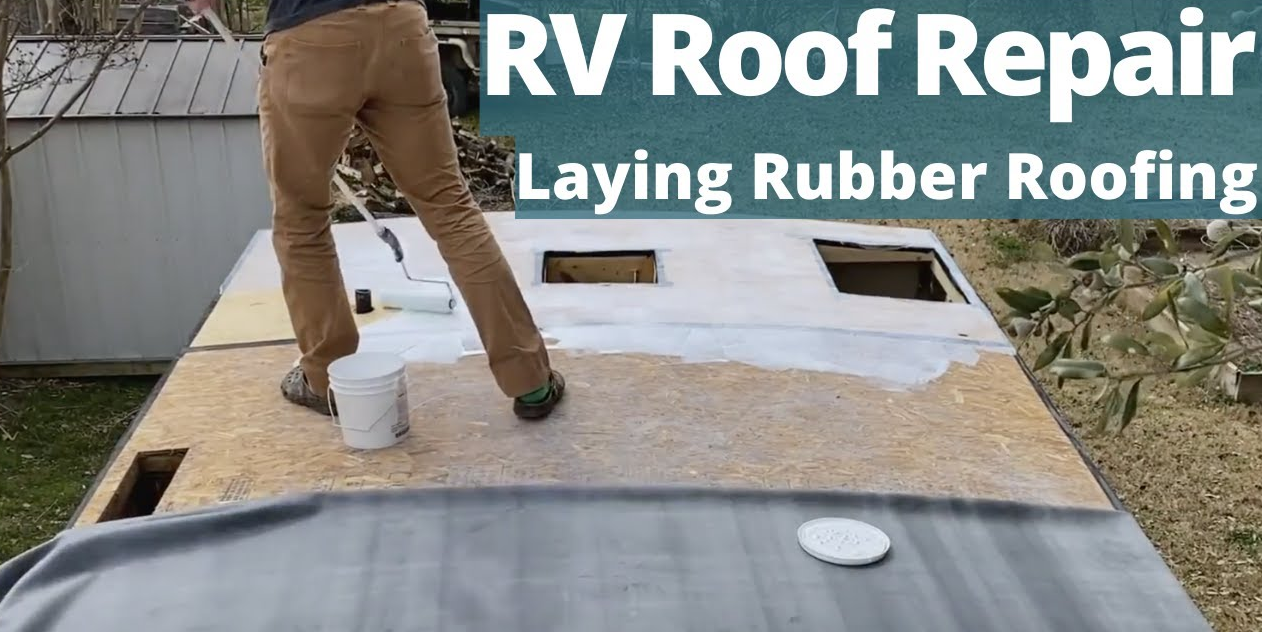
Why RV Roofs Fail Faster in Port St. Lucie's Coastal Climate
The combination of intense UV radiation, salt air from the Indian River Lagoon, and frequent afternoon thunderstorms makes Port St. Lucie one of the most challenging environments for RV roofs in the country. Unlike Arizona's dry heat or Colorado's cold winters, Florida's coastal humidity accelerates the degradation of rubber membranes and sealants at nearly twice the national average rate. EPDM and TPO roofing materials that might last 15-20 years in temperate climates often show significant deterioration after just 8-12 years here in St. Lucie County.
Our RVIA-certified technicians have documented that RVs stored near Hutchinson Island or along the Treasure Coast corridors experience particularly aggressive salt-air corrosion on roof fasteners, vent caps, and AC mounting hardware. The salt particles suspended in coastal breezes create microscopic pitting in aluminum components and break down the plasticizers in rubber roofing, causing premature cracking and brittleness. This is why we recommend quarterly roof inspections for any RV stored within 10 miles of the coastline, versus the standard semi-annual inspection schedule recommended for inland Florida locations.
Hurricane season adds another layer of complexity. Even if your RV isn't directly hit by a major storm, the flying debris, sustained high winds, and prolonged exposure to driving rain can compromise roof seams, tear membrane edges, and dislodge sealant around roof penetrations. After every named storm that impacts St. Lucie County, we see a surge in emergency leak calls from owners in Tradition, Tesoro, and PGA Village who discovered water intrusion only after the next heavy rainfall.
What Makes Port St. Lucie RV Repair the Best Choice for Roof Repairs
Our mobile-first approach means we bring the repair shop to your location anywhere from Stuart to Vero Beach, eliminating the hassle and expense of towing your RV to a fixed facility. With a 4.9-star rating across 189 customer reviews, we've built our reputation on transparent pricing, fast response times, and repairs that hold up under Florida's demanding conditions. We're one of the few mobile RV services in the region that stocks commercial-grade Dicor sealants and maintains factory relationships with Dometic and Suburban for OEM-spec roof component replacements.
Every roof repair we perform complies with FL Building Code 8th Edition requirements where applicable, particularly important for permanent RV installations and park models. Our technicians carry specialized diagnostic equipment including thermal imaging cameras to detect hidden moisture intrusion that visual inspections might miss. This technology is critical in Port St. Lucie's climate, where small leaks can quickly lead to extensive wood rot, mold growth, and delamination in ceiling panels and side walls.
We understand the seasonal nature of RV ownership on the Treasure Coast. Our snowbird customers receive priority scheduling during peak season (November through March), and we offer comprehensive pre-departure inspections before you head back north. For year-round residents storing RVs in St. Lucie West or Fort Pierce, we provide maintenance plans that include regular roof resealing and inspection services at discounted rates of $150-$300 per visit depending on RV size.
Common RV Roof Problems We Repair in Port St. Lucie
The most frequent roof issue we encounter is sealant failure around roof penetrations including air conditioner units, vent fans, solar panels, and antenna mounts. In Florida's heat, the constant thermal cycling causes sealants to harden, crack, and pull away from mounting flanges. We typically see this manifest as water stains on ceiling fabric or dripping during heavy rains. Resealing a single penetration runs $150-$300, while a complete roof reseal covering all vents, seams, and edges costs $800-$1,500 depending on RV length.
EPDM rubber roof membrane damage is another prevalent problem, particularly on Class C motorhomes and travel trailers over 10 years old. The membrane develops tears, punctures from fallen branches, or delamination where the adhesive fails. Small repairs under 12 inches can be patched for $200-$400, while larger damaged areas requiring membrane replacement sections run $600-$1,200. TPO roofs, while more durable, can suffer heat-welded seam failures that require specialized repair equipment and training our team maintains specifically for this purpose.
We also frequently repair structural issues like rotted roof decking, a serious problem that develops when leaks go undetected. This repair is more extensive, requiring removal of the damaged membrane, replacement of plywood or OSB decking ($50-$80 per 4x8 sheet plus labor), and installation of new roofing material. Total costs for significant decking replacement typically range from $2,000-$5,000 depending on the extent of damage. These situations often coincide with needed repairs to electrical wiring that runs through the affected ceiling cavity.
RV Roof Material Types: What's Best for Treasure Coast Conditions
| Roof Material | Typical Lifespan in FL | Maintenance Needs | Repair Cost Range |
|---|---|---|---|
| EPDM Rubber | 8-12 years | Annual reseal, quarterly inspection | $200-$1,200 repairs, $2,500-$5,000 replacement |
| TPO (Thermoplastic) | 12-16 years | Bi-annual inspection, minimal resealing | $300-$1,500 repairs, $3,500-$6,500 replacement |
| Fiberglass | 15-25 years | Annual waxing, gelcoat repair as needed | $400-$2,000 repairs, $5,000-$10,000 replacement |
| Aluminum | 20+ years | Coating refresh every 5-7 years | $500-$2,500 repairs, $4,000-$8,000 coating renewal |
For Port St. Lucie's climate, we generally recommend TPO roofing for customers replacing failed EPDM membranes. While TPO costs 15-25% more upfront ($3,500-$6,500 for a typical 30-foot travel trailer versus $2,500-$5,000 for EPDM), the improved UV resistance and heat-welded seams provide better long-term value in our intense sun exposure. TPO also stays cooler, reducing air conditioning load and potentially lowering your power consumption by 10-15% during summer months. This matters whether you're running a rooftop Dometic unit or relying on your generator while dry camping near Jensen Beach.
Fiberglass roofs, common on higher-end Class A motorhomes and some premium fifth wheels, offer excellent durability but require different maintenance. The gelcoat can oxidize and chalk in Florida sun, requiring annual polishing and occasional professional restoration costing $800-$2,000. Cracks in fiberglass can be repaired using marine-grade epoxy compounds, a specialty technique our team has refined after working on hundreds of units stored near Palm City and the surrounding waterfront communities.
How We Diagnose and Repair RV Roof Leaks: Our 5-Step Process
Comprehensive Visual Inspection and Moisture Detection
We begin every roof repair job with a thorough walk-around inspection of the entire roof surface, checking all penetrations, seams, edges, and mounting hardware. Using thermal imaging cameras, we scan the ceiling interior to identify moisture intrusion that may not yet show visible staining. This step typically takes 45-90 minutes depending on RV size and identifies not just the obvious leak source but hidden problems that could cause future failures.
Source Identification and Damage Assessment
Once we've located all problem areas, we trace each leak to its source. Water doesn't always enter where it appears inside - it often travels along framing members or wiring conduits before dripping onto visible surfaces. We document all findings with photos and provide a detailed written estimate breaking down each repair by location and severity. This transparency helps you prioritize repairs if budget is a concern, addressing critical structural issues first while scheduling cosmetic fixes for later.
Surface Preparation and Old Sealant Removal
Proper repair requires complete removal of old, failed sealant down to clean substrate material. We use plastic scrapers and specialized solvents that won't damage EPDM, TPO, or fiberglass surfaces. All areas are then cleaned with isopropyl alcohol or approved cleaners and allowed to dry completely. Rushing this step is the number one reason DIY roof repairs fail within months, which is why our technicians spend whatever time necessary to ensure perfect surface prep even if it means scheduling the actual repair for a day with optimal weather conditions.
Application of Professional-Grade Sealants and Materials
We exclusively use Dicor self-leveling lap sealant for EPDM roofs, their non-sag version for vertical surfaces, and appropriate products for TPO and fiberglass applications. All sealants are applied in proper thickness (minimum 1/8 inch for most applications) with appropriate overlap and edge feathering. For membrane repairs, we use heat-activated patches on EPDM and heat-welded repairs on TPO that create bonds stronger than the original material. Roof vent replacements use OEM gaskets and mounting hardware to ensure weathertight installation compliant with manufacturer specifications.
Leak Testing and Final Inspection
Before leaving your property in Port St. Lucie or anywhere in our service area, we perform a comprehensive water test, thoroughly soaking all repaired areas while inspecting from inside for any signs of water intrusion. Only when we're confident the repair is 100% watertight do we complete the job. We also provide care instructions specific to your roof type and schedule recommended follow-up inspections based on your usage patterns and storage conditions.
Hurricane Preparation: Protecting Your RV Roof Before Storm Season
Living in Port St. Lucie means preparing for hurricane season every year from June through November. Your RV roof is particularly vulnerable during tropical storms and hurricanes, not just from wind damage but from the sheer volume of rain these systems produce. We offer pre-season hurricane prep services ($250-$500) that include complete roof inspection, emergency resealing of any questionable areas, securing all roof-mounted equipment, and applying reinforcement to vulnerable attachment points.
For RVs that will remain in place during hurricane threats, we recommend removing portable items like satellite dishes and portable solar panels, taping over vent covers with marine-grade aluminum tape, and checking that all awnings are properly secured or removed. AC covers should be inspected to ensure they're firmly attached, as we've seen multiple instances where failed mounting screws allowed covers to act as sails, creating uplift forces that damaged both the cover and the roof membrane underneath.
After any significant storm passes through St. Lucie County, we offer post-hurricane inspection services to identify and document damage for insurance claims. Our detailed reports include photos, measurements, and professional assessments that insurance companies respect. We work with all major RV insurance carriers and understand the documentation requirements for successful claims. These inspections typically cost $150-$250 but can save thousands in denied claims due to inadequate documentation.
Full Roof Replacement: When Repair Isn't Enough
Sometimes the most cost-effective solution is complete roof replacement rather than ongoing patchwork repairs. We typically recommend replacement when the membrane has exceeded its service life, when there's widespread decking damage, or when repair costs would exceed 60% of replacement cost. A full EPDM roof replacement on a 30-foot travel trailer runs $2,500-$4,500 including labor, materials, and all penetration resealing. TPO replacement for the same unit costs $3,500-$6,000, while a 40-foot Class A motorhome roof can range from $5,000-$10,000 depending on the number of roof-mounted accessories.
Our replacement process includes complete removal of old roofing material down to the decking, inspection and replacement of any damaged substrate, installation of new membrane with proper adhesive and seam techniques, and reinstallation of all roof components with new mounting hardware and gaskets. We also upgrade vent covers and AC shrouds if the originals show age-related deterioration. This comprehensive approach ensures your new roof will deliver maximum service life in Florida's demanding climate.
Timing a roof replacement strategically can save money. We offer off-season discounts (typically April through early November when snowbirds have returned north) of 10-15% on major roof replacement projects. However, if you're experiencing active leaks causing interior damage, waiting isn't advisable as water intrusion can quickly escalate repair costs. A $4,000 roof replacement is a much better investment than a $15,000 interior restoration project that includes wall replacement, plumbing repairs, and mold remediation.
Maintenance Tips to Extend Your RV Roof Life in Florida
Regular maintenance is your best defense against catastrophic roof failure. We recommend quarterly inspections for RVs stored outdoors in Port St. Lucie and semi-annual inspections for covered storage. During these inspections, check all sealant beads for cracking, hardening, or separation. Look for ponding water after rains, which indicates sagging areas that may signal underlying structural issues. Remove any debris, leaves, or branches promptly as these trap moisture against the roof surface and accelerate deterioration.
Clean your roof at least twice yearly using products specifically formulated for your roof type. EPDM requires different cleaners than TPO or fiberglass. Never use petroleum-based cleaners on rubber roofs as they dissolve the material. A proper roof cleaning costs $150-$300 if you prefer professional service, or you can DIY with correct products and a soft-bristle brush. Always avoid power washing, which can force water under membranes and damage sealants.
Consider applying UV protectant coatings designed for RV roofs, especially on EPDM surfaces. Products like Dicor's RP-CRC-1 rubber roof coating provide an additional layer of UV protection and can extend roof life by 3-5 years. Professional application runs $600-$1,200 depending on RV size. For units stored near Tradition or Tesoro where tree coverage provides some sun protection, this may not be necessary, but for RVs in full-sun storage facilities near Fort Pierce or Stuart, it's a worthwhile investment.
Common RV Roof Repair Mistakes to Avoid
- Using automotive or household sealants: These products aren't formulated for RV roofing materials and often cause more damage than they prevent. We've seen cases where silicone caulk from hardware stores actually dissolved EPDM rubber, creating larger leaks than the original problem. Always use RV-specific products like Dicor, Geocel, or other RVIA-approved sealants.
- Applying sealant in poor weather conditions: Florida's afternoon thunderstorms and high humidity create challenging conditions for proper sealant curing. Sealants must be applied to completely dry surfaces and need time to cure before rain exposure. We monitor weather forecasts closely and sometimes delay scheduled repairs to ensure optimal conditions rather than rushing a repair that might fail within weeks.
- Ignoring small problems until they become major issues: A $200 reseal job can prevent a $5,000 interior restoration project. Many Port St. Lucie RV owners store their units between trips and don't inspect them regularly, only discovering leaks when significant damage has already occurred. Set calendar reminders for quarterly visual inspections - it takes just 20 minutes and can save thousands.
- Over-tightening roof-mounted accessories: When reinstalling AC units, vent covers, or solar panels, over-torquing fasteners can crack mounting flanges or compress gaskets unevenly, actually creating leak paths. Our technicians use torque specifications from manufacturers and understand that sometimes hand-tight is sufficient, especially on fiberglass surfaces prone to stress cracking.
- DIY repairs without proper safety equipment: RV roofs aren't designed for foot traffic, and Florida's heat makes surfaces dangerously slippery. We've been called to repair not just original leaks but additional damage caused by homeowners who fell or stepped through soft spots. Professional repairs include proper fall protection, weight distribution, and knowledge of where structural supports allow safe standing. The $300-$600 you might save doing it yourself isn't worth a hospital visit or additional structural damage.
Why Mobile RV Roof Repair Makes Sense in Port St. Lucie
Towing an RV with roof damage to a repair facility risks additional water intrusion during transport and costs $200-$500 in towing fees alone. Our mobile service brings fully equipped technicians to your driveway, storage facility, or RV resort anywhere from Vero Beach to Hobe Sound. We waive the service trip fee (normally $1.25 per mile beyond 15 miles from our 10157 S Federal Highway location) on any repair exceeding $400 in labor, making mobile service cost-competitive with shop-based repairs even for customers in our extended service areas.
Same-day service is typically available throughout Port St. Lucie, St. Lucie West, and Tradition when you call before noon. For customers in Jensen Beach, Palm City, or other outlying areas, we usually schedule within 24-48 hours. Emergency leak response is available for active leaks causing ongoing damage, prioritizing customers who need immediate temporary sealing to prevent further interior harm while we schedule the comprehensive repair. This emergency service ($400-$800 depending on time and complexity) has saved numerous RV interiors from catastrophic water damage during Florida's intense summer thunderstorm season.
Working at your location also allows us to test and verify HVAC systems after roof repairs involving AC unit resealing or replacement, ensure slideout room integrity for units with slideout roofs, and address any related issues discovered during our roof inspection. This comprehensive approach often identifies problems before they become emergencies, like worn leveling jack seals or early signs of frame stress that could lead to future roof structural issues.
Pricing Transparency: What to Expect for Your RV Roof Repair
Our pricing structure is straightforward and competitive for the Treasure Coast region. Diagnostic inspections run $100-$150 and include thermal imaging and a detailed written report, but this fee is credited toward any repair work over $300. Single penetration resealing costs $150-$300 per location, full roof reseal runs $800-$1,500, and membrane patch repairs range from $200-$1,200 depending on damage extent. These prices include all materials, labor, and our standard warranty coverage.
Complex repairs involving structural components or extensive membrane replacement fall in the $1,500-$4,000 range, while complete roof replacements span $2,500-$10,000 based on RV size, roof type selected, and condition of underlying substrate. We provide itemized estimates breaking down materials and labor separately, and we never start work without your explicit approval of costs. Florida requires written estimates for repairs exceeding $100, and we exceed that requirement with detailed documentation of every proposed repair.
Insurance claims are common for roof damage from storms, falling branches, or sudden hail events. We provide detailed estimates formatted for insurance submission, work with adjusters on supplemental claims when hidden damage is discovered, and accept insurance assignment of benefits for qualified customers. Our RVIA certification and 4.9-star rating across 189 reviews give insurance companies confidence in our assessments and pricing, typically resulting in faster claim approval and payment. Contact us at 772-276-6465 or [email protected] to discuss your specific situation and get a free quote for your Port St. Lucie RV roof repair needs.