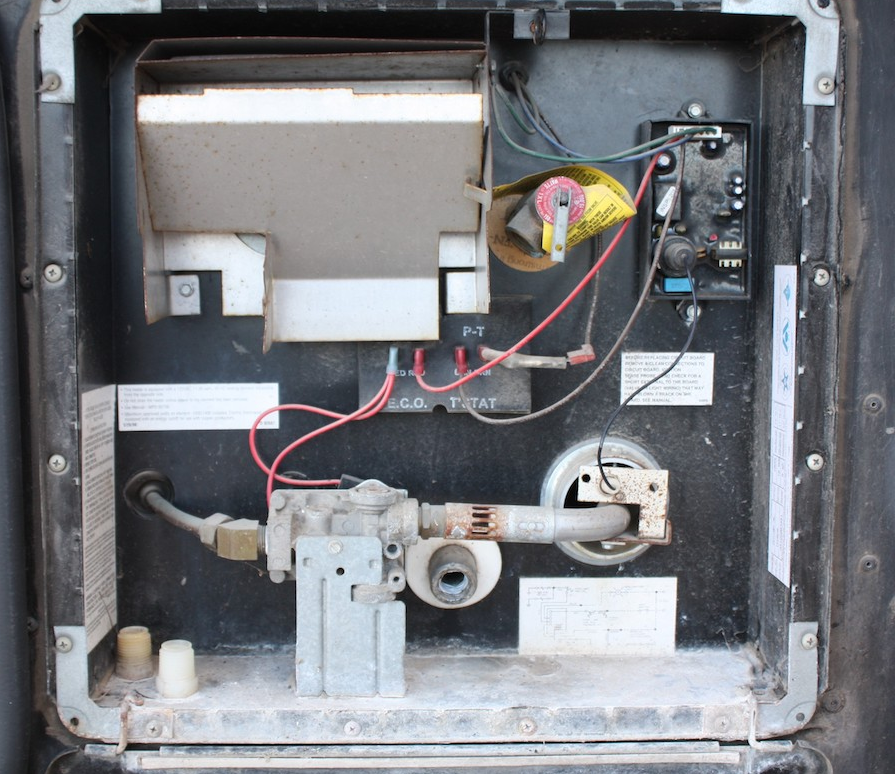
What Makes Suburban and Atwood the Leading RV Water Heater Brands?
When you're camping along Hutchinson Island or enjoying the RV lifestyle in Port St. Lucie, reliable hot water isn't a luxury - it's essential. Suburban and Atwood have dominated the RV water heater market for decades, appearing in roughly 85% of all recreational vehicles manufactured in North America. Both companies engineered their products specifically for the unique demands of mobile living, but they took distinctly different approaches to solving the same problem.
Suburban Manufacturing, now part of the Dometic family, built its reputation on heavy-duty steel tank construction and pilot light systems that work reliably even in challenging conditions. Their tanks feature porcelain-glass lining that resists corrosion exceptionally well in Florida's salt air - a critical consideration for RVers in coastal communities like Jensen Beach, Stuart, and Fort Pierce. Atwood, acquired by Dometic in 2011, focused on aluminum construction and direct-spark ignition (DSI) technology, creating lighter units that simplified installation and reduced propane consumption.
Both brands offer 6-gallon and 10-gallon capacities, the two most common sizes in recreational vehicles. The choice between them often comes down to your RV's existing configuration, your camping style, and Florida-specific factors like humidity exposure and whether you're a seasonal snowbird or year-round resident in communities like Tradition or St. Lucie West.
How Do Suburban and Atwood Water Heaters Differ in Construction?
The fundamental construction difference between these brands affects everything from weight to longevity. Suburban water heaters use steel tanks with a porcelain-glass lining, similar to residential water heaters. A 6-gallon Suburban unit typically weighs 31-33 pounds empty, while a 10-gallon model reaches 38-42 pounds. This steel construction provides exceptional durability and impact resistance - valuable when traveling Florida's sometimes-rough roads between Port St. Lucie and destinations like Vero Beach or Palm City.
Atwood chose aluminum for their tank material, creating units that weigh significantly less. A comparable 6-gallon Atwood heater weighs just 24-26 pounds, while their 10-gallon version comes in around 28-30 pounds. This weight savings matters during installation and can contribute to better fuel economy, though the difference is minimal in practical terms. The aluminum construction resists rust differently than steel - it won't rust in the traditional sense, but it can develop pinhole leaks if the anode rod isn't maintained properly in our mineral-rich Florida water.
The ignition systems differ as well. Traditional Suburban models use a pilot light system that stays lit continuously, while newer Suburban units and most Atwood heaters employ direct-spark ignition (DSI). DSI systems are more propane-efficient and eliminate the frustration of relighting pilots in windy conditions - something you'll appreciate if you camp near the coast at Treasure Coast locations. However, pilot systems work without battery power, which provides redundancy if your RV electrical system fails.
Suburban vs Atwood: Side-by-Side Comparison for Florida RVers
| Feature | Suburban | Atwood |
|---|---|---|
| Tank Material | Steel with porcelain-glass lining | Aluminum |
| 6-Gallon Weight | 31-33 lbs | 24-26 lbs |
| 10-Gallon Weight | 38-42 lbs | 28-30 lbs |
| Ignition Type | Pilot or DSI (model dependent) | Primarily DSI |
| Salt-Air Resistance | Excellent (porcelain lining) | Good (requires anode maintenance) |
| Recovery Time (6-gal) | 17-19 minutes | 16-18 minutes |
| Typical Lifespan (FL) | 12-15 years with maintenance | 10-12 years with maintenance |
| Replacement Cost | $380-$650 (unit only) | $340-$580 (unit only) |
| Common in RV Brands | Tiffin, Newmar, Grand Design | Forest River, Jayco, Winnebago |
| Anode Rod Access | External drain plug access | Varies by model (some internal) |
Which Water Heater Performs Better in Port St. Lucie's Coastal Climate?
Florida's combination of high humidity, salt air, and mineral-heavy water creates a challenging environment for RV water heaters. In Port St. Lucie and throughout St. Lucie County, we see accelerated corrosion on components that would last years longer in Arizona or Colorado. The porcelain-glass lining in Suburban tanks provides superior protection against this corrosion, particularly if your RV is stored near the Indian River Lagoon or other coastal areas where salt concentration in the air runs higher.
Atwood's aluminum construction resists traditional rust, but the sacrificial anode rod becomes even more critical in Florida. This magnesium or aluminum rod attracts corrosive elements that would otherwise attack the tank itself. In our coastal climate, anode rods deteriorate 40-60% faster than in dry climates. We recommend inspecting anode rods every 6 months for RVs stored in Port St. Lucie, Tradition, or other Treasure Coast locations, regardless of brand. A replacement anode rod costs $15-$35 and takes 20 minutes to install - far cheaper than a $450-$1,200 water heater replacement.
Temperature performance differs slightly between brands. Suburban units typically maintain more consistent temperatures in extreme heat because the steel tank's thermal mass buffers temperature fluctuations. When your RV sits in a storage lot in Tesoro or PGA Village during summer, interior temperatures can exceed 130°F. Suburban's construction handles these extremes with less stress on seals and fittings, potentially extending service life by 1-2 years compared to Atwood in harsh conditions.
Both brands offer models with electric heating elements (120V) in addition to propane burners. These combination units let you use campground power when available, saving propane costs. In Florida, where many RV parks offer full hookups year-round, the electric option substantially reduces operating costs for snowbirds spending months at a time in the area. Electric operation costs roughly $0.40-$0.65 per day versus $1.20-$1.80 for propane at current rates.
Common Failure Modes: What Actually Breaks in Florida?
After servicing hundreds of RV water heaters across Port St. Lucie and surrounding communities, clear patterns emerge in failure modes. For Suburban units, the most common issues we address involve the thermocouple (on pilot models), the ECO (emergency cutoff) switch, and burner tube corrosion. The thermocouple, which senses pilot flame and allows gas flow, typically lasts 3-5 years in Florida before requiring replacement ($25-$45 for the part, $95-$150 installed). Salt air accelerates corrosion on the burner tube assembly, sometimes requiring cleaning or replacement after 6-8 years ($120-$280 depending on the model).
Atwood heaters commonly develop issues with the electronic control board (on DSI models), the gas valve assembly, and occasionally pinhole leaks if anode maintenance was neglected. Control boards are sensitive to voltage fluctuations and humidity, both abundant in Florida. A replacement control board runs $145-$240 for the part, with installation adding $120-$180 to the total. The circuit board location varies by model, with some tucked behind access panels that require more disassembly to reach.
Both brands can develop leaks at the pressure relief valve, tank drain plug, or water line connections. Florida's temperature swings - cool winter mornings followed by 85°F afternoons - cause expansion and contraction that stresses fittings over time. We see relief valve weeping on units as young as 4-5 years, particularly on RVs that aren't winterized (though winterization looks different in Florida than up north). A pressure relief valve replacement costs $35-$65 for parts and $85-$140 for labor if you need our mobile service in Port St. Lucie or nearby areas.
Tank failure - the catastrophic end-of-life event - occurs after 10-15 years for Suburban units and 9-12 years for Atwood heaters in Florida conditions. Steel tanks eventually rust through despite the porcelain lining, while aluminum tanks develop pinhole leaks or crack at welded seams. Once the tank fails, replacement is the only option. Our RV plumbing repair service handles complete water heater replacements, typically completing the job in 2-3 hours including testing and system purging.
How to Choose Between Suburban and Atwood for Your RV
Check Your Current Installation
The easiest replacement is a direct swap with the same brand and model. Measure your existing water heater compartment and note whether your unit is rear-access (most common) or side-access. Suburban and Atwood use different mounting patterns and access door sizes. Switching brands often requires modifications to the exterior compartment door ($80-$160 in additional labor). If you're replacing a failed unit, photograph the gas line, water line, and electrical connections before removal.
Evaluate Your Usage Pattern
Snowbirds who spend 4-6 months annually in Florida benefit from Suburban's durability and longer lifespan. The higher upfront cost ($40-$70 more than comparable Atwood units) amortizes over 12-15 years of service. Weekend campers or those who use their RV sporadically might prefer Atwood's lower replacement cost. If you primarily use electric heating at full-hookup sites in Port St. Lucie or St. Lucie West, brand matters less than ensuring you get a combination gas-electric model.
Consider Coastal Exposure
RVs stored within 5 miles of the Atlantic Ocean, Indian River Lagoon, or St. Lucie Inlet face aggressive salt-air exposure. Suburban's porcelain-lined steel tank provides measurably better corrosion resistance in these locations. We've seen Suburban tanks still functioning after 14 years in Jensen Beach storage facilities, while Atwood units in the same facility averaged 10-11 years. If your RV stays inland in communities like Tradition or western Port St. Lucie, the difference narrows considerably.
Factor in Weight Constraints
If you're approaching your RV's cargo carrying capacity (CCC) or gross vehicle weight rating (GVWR), Atwood's 6-8 pound weight advantage per unit becomes relevant. Lightweight travel trailers and small Class C motorhomes benefit most from weight savings. Larger fifth wheels and Class A coaches won't notice the difference. Check your RV's weight sticker and recent weigh-in data before deciding. Our hitch and leveling service can assess your weight distribution if you're uncertain.
Installation and Replacement Costs in the Port St. Lucie Area
Water heater replacement represents a moderate investment in your RV's systems. A 6-gallon Suburban unit costs $380-$550 for the appliance itself, while 10-gallon models range from $480-$650. Atwood pricing runs slightly lower: $340-$480 for 6-gallon units and $420-$580 for 10-gallon models. These are retail prices for the appliance only - you'll find both brands at RV supply stores in Fort Pierce and Stuart, as well as online retailers.
Professional installation by our RVIA-certified technicians adds $280-$450 in labor for a straightforward replacement, depending on accessibility and whether any modifications are needed. If you're switching brands and require a new access door or mounting bracket adjustments, add $120-$220 to the installation cost. The complete project - new water heater plus installation - typically runs $720-$1,200 for most RVs we service in Port St. Lucie, Tradition, and St. Lucie West.
Our mobile service eliminates the hassle of driving your RV to a shop. We come to your storage facility, home, or campsite anywhere in the service area. There's no trip fee within 15 miles of our 10157 S Federal Hwy location (covering most of Port St. Lucie, Tradition, and St. Lucie West), and just $1.25 per mile beyond that. The trip fee is waived entirely on jobs requiring more than $400 in labor, which water heater replacements typically meet. We stock common Suburban and Atwood models on our service vehicles, often completing same-day replacements when you call before noon.
Maintenance Tips to Extend Water Heater Life in Florida
Proper maintenance doubles the service life of either brand in Florida's demanding climate. The single most important task is anode rod inspection and replacement. This sacrificial component protects the tank from galvanic corrosion but deteriorates in the process. In Florida's mineral-rich water, especially well water common in rural areas near Palm City or Hobe Sound, anode rods need replacement every 12-18 months instead of the 2-3 years typical in other regions.
To inspect your anode rod, turn off the water heater and let it cool completely. Drain the tank using the drain plug or petcock (be careful - even after cooling, water may still be warm). The anode rod typically threads into the hot water outlet or a dedicated port. Remove it using a 1-1/16 inch socket for most models. If the rod is less than 1/2 inch thick at any point, or if more than 6 inches of the core wire is exposed, replace it immediately. A new anode costs $15-$35 and provides another year or more of protection.
Flush your water heater tank every 3-4 months when actively using your RV in Florida. Sediment accumulation happens faster in our hard water, reducing heating efficiency and accelerating tank corrosion. Open the drain plug with the water supply on to create a flushing action that carries out calcium deposits and debris. Continue until the water runs clear. This 10-minute task prevents buildup that reduces capacity and insulates the tank bottom from the burner, forcing longer heating cycles.
Inspect the burner tube annually for wasp nests, spider webs, and corrosion. Flying insects love the protected cavity behind the exterior access door, and their nests block proper combustion air flow. This causes sooting, inefficient heating, and potential carbon monoxide issues. Remove the access door and burner assembly according to your owner's manual, clean with compressed air or a soft brush, and verify the burner flame burns blue (not yellow or orange) when reassembled. If you're uncomfortable with gas system work, our AC and heating service includes water heater burner inspection and cleaning.
Check the pressure relief valve every 6 months by lifting the test lever to ensure it operates freely. Calcium deposits can cause these valves to stick closed, creating a potential safety hazard if the tank overheats. If water doesn't discharge when you lift the lever, or if the valve weeps constantly, replace it immediately ($35-$65 for the part). Also inspect all PEX water lines and fittings for signs of wear, especially where they enter the tank - these connections take stress from thermal expansion and road vibration.
Hurricane Preparation and Seasonal Considerations
Hurricane season brings unique challenges for RV owners in Port St. Lucie and throughout St. Lucie County. Before a storm, drain your water heater completely and leave the drain plug open. This prevents the tank from becoming a heavy, water-filled mass that stresses mounting brackets during high winds. Even if your RV is properly tied down or stored in a facility in Tradition or PGA Village, the dynamic loads from hurricane-force winds are extreme.
If you're evacuating and leaving your RV behind, turn off the propane supply at the tank and shut off the water heater completely. Verify the drain plug is open and the tank is empty. Remove any valuables and important documents, but leave access panels and compartment doors closed to prevent wind-driven rain from entering. After the storm passes and you return, inspect the water heater compartment for water intrusion, check mounting bracket security, and examine the roof area above the heater for damage before refilling and restarting the system.
Florida's year-round camping season means many RVs never truly winterize, but snowbirds heading north for summer should still prepare their water heaters. Drain the tank completely, bypass it in your plumbing system, and run RV antifreeze through the hot water lines. Even though freezing isn't a concern in Port St. Lucie, draining prevents stagnant water from developing bacteria and foul odors during months of non-use. When you return in fall, flush the system thoroughly, replace the anode rod as a matter of course, and verify all seals and gaskets before resuming normal operation.
When to Repair vs Replace Your RV Water Heater
The repair-versus-replace decision depends on the heater's age, the specific failure, and replacement part availability. For units under 5 years old, most repairs make economic sense. A $180-$320 repair on a relatively new water heater preserves 70-80% of its service life. Common repairs in this age range include thermocouples ($95-$150 installed), gas valves ($180-$280), control boards ($265-$420), and pressure relief valves ($120-$205) - all reasonable investments in a heater that should last another 5-10 years.
Units between 6-10 years old require careful evaluation. If the tank itself is sound (no leaks, anode rod has been maintained, minimal exterior corrosion), component replacement still makes sense. However, if you're facing a second or third repair on an 8-year-old unit, replacement becomes more cost-effective. Calculate the cumulative repair costs: if you've already spent $400 on previous repairs and now face another $250 job, you're approaching the cost of a new unit with 10+ years of remaining life.
Water heaters older than 10 years should be replaced in most cases, even for seemingly minor repairs. Tank integrity becomes suspect after a decade of Florida's corrosive environment, and parts availability declines for older models. Suburban and Atwood have both updated their product lines significantly, meaning that a 12-year-old heater may use components no longer manufactured. Aftermarket parts exist but vary in quality. A new unit also brings improved efficiency - newer models heat 8-12% faster and use 5-10% less propane than designs from 2010-2014.
Tank leaks always mean replacement, regardless of age. Whether it's a pinhole leak, crack, or seam failure, tank repair isn't viable for RV water heaters. The pressurized system and temperature cycling make welding or patching unreliable and potentially dangerous. If you discover water pooling under your RV or dripping from the water heater compartment, shut off the water supply immediately and call for service. Our technicians carry replacement units and can often complete same-day installations for Port St. Lucie area customers who call before early afternoon.
Why Choose Professional Installation Over DIY?
While experienced RV owners can replace their own water heaters, professional installation offers significant advantages in Florida. Our RVIA-certified technicians understand Florida Building Code requirements (8th Edition) for gas appliance installation, venting, and clearances. These codes apply to RVs in some circumstances, particularly when parked long-term at a residence or in certain RV resort communities. Non-compliant installations can create liability issues and may affect insurance coverage.
Proper installation requires attention to details that aren't obvious from owner's manuals. The gas line connection must use the correct sealant (never Teflon tape on propane fittings - liquid sealant rated for LP gas only), torqued to specification, and leak-tested with soap solution and a manometer. Water connections need proper support to prevent stress on the tank fittings, and the pressure relief valve discharge tube must route safely away from the RV body per RVIA standards. Our electrical repair service also ensures proper bonding and grounding for combination electric-gas units.
Time and tools factor into the equation as well. Professional replacement takes our technicians 90-120 minutes including testing, while first-time DIY installations often require 4-6 hours. Special tools like a 1-1/16 inch deep socket for anode rods, a proper torque wrench for gas fittings, and leak detection equipment aren't typically in home toolboxes. When you factor in the cost of tools, potential trips to parts stores in Stuart or Fort Pierce for supplies, and the risk of errors, professional installation offers clear value.
We also handle disposal of your old unit properly, recycling the metal components according to St. Lucie County regulations. DIY installers must arrange their own disposal, which means either paying the dump fee ($15-$25) or waiting for bulk trash pickup in Port St. Lucie. Our service includes removal, disposal, and a final system check to verify proper operation, water temperature, and absence of leaks in both the water and gas systems.
Additional RV Systems That Affect Water Heater Performance
Your RV water heater doesn't operate in isolation - it integrates with multiple other systems that affect its performance. The 12-volt electrical system powers DSI ignition, control boards, and sometimes circulation pumps on higher-end units. Weak house batteries or corroded connections cause intermittent failures, particularly on Atwood heaters with electronic controls. If your water heater won't ignite consistently, the problem may actually lie in your charging system or battery bank. Consider upgrading to LiFePO4 batteries for more stable voltage delivery, especially if you boondock frequently or store your RV in areas with limited shore power access.
The propane system deserves attention as well. Low tank pressure, regulator problems, or restricted gas lines affect burner performance on both Suburban and Atwood units. We've diagnosed numerous "water heater failures" that were actually propane delivery issues impacting the furnace, stove, and refrigerator as well. An Onan or Cummins generator running nearby can sometimes cause combustion air issues for the water heater through negative pressure effects, particularly on RVs with less-than-ideal venting configurations.
Roof condition matters more than most RV owners realize. The water heater typically mounts along the roofline with a vent that penetrates the roof membrane. Failed EPDM or TPO roofing around this vent allows water intrusion that damages the installation, rusts mounting brackets, and promotes electrical problems. During roof inspections and repairs, we always check water heater vent sealing and apply fresh Dicor sealant as needed. A $30 preventive seal job prevents hundreds in water damage repair costs.
Winterization procedures in Florida differ from northern climates but remain important for snowbirds. Rather than protecting against freezing, we focus on preventing stagnant water issues during summer storage. Bacteria growth in an idle water heater creates foul odors and potential health concerns. The bypass valve system lets you isolate the heater during storage, draining it separately while maintaining your fresh water tank for other purposes. Proper valve configuration and understanding your specific plumbing layout prevents common mistakes like routing antifreeze through the water heater unnecessarily.
Contact Port St. Lucie RV Repair for Water Heater Service
Whether you're choosing between Suburban and Atwood for a new installation, dealing with a failing unit, or simply need seasonal maintenance, our mobile service brings expertise directly to your location throughout Port St. Lucie, Tradition, St. Lucie West, and surrounding Treasure Coast communities. We stock parts for both major brands on our service vehicles and maintain relationships with suppliers in Fort Pierce and Stuart for same-day availability of less common components.
Our 4.9-star rating across 189 reviews reflects our commitment to transparent pricing, quality work, and respect for your time. We'll provide an honest assessment of whether your water heater needs repair or replacement, explain the differences between available options, and complete the work efficiently. Same-day service is typical for customers in Port St. Lucie, Tradition, and St. Lucie West when you call before noon, and we serve the broader area from Vero Beach to Hobe Sound with minimal trip fees.
Call 772-276-6465 to schedule water heater service, ask questions about Suburban versus Atwood for your specific RV, or discuss any other mobile RV repair needs. You can also reach us at [email protected] or visit our contact page for more information. Our technicians are standing by to help keep your RV's hot water system running reliably through Florida's demanding coastal climate, whether you're a weekend camper or a full-time RVer enjoying the Port St. Lucie lifestyle.